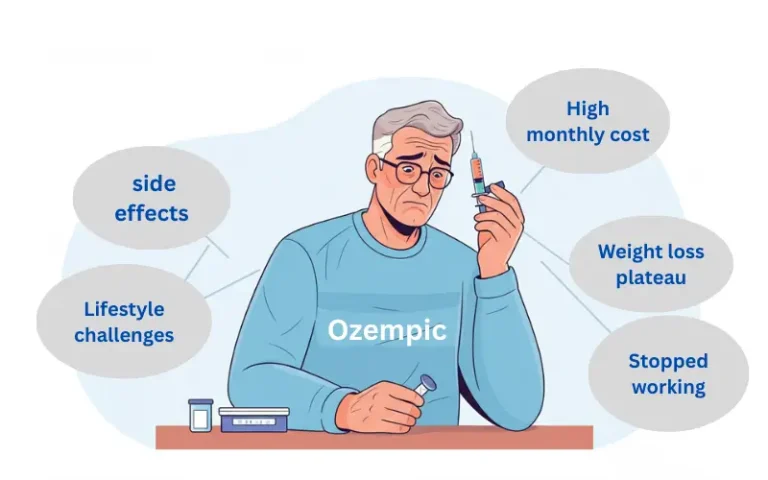

How to Avoid Ozempic Face While on Ozempic
Taking a new step in your health journey with a medication like Ozempic can be exciting, but it often comes with questions. One topic that has gained a lot of attention is “Ozempic face,” a term used to describe facial changes that can occur with rapid weight loss. While achieving a healthy weight is a positive goal, you might be concerned about looking gaunt or older in the process.
The good news is that these changes are not inevitable. This article will guide you through what Ozempic face is, why it happens, and provide practical strategies for how to avoid Ozempic face while on Ozempic. We will cover everything from dietary adjustments to skincare routines, helping you feel confident as you work toward your health goals.
What Is “Ozempic Face”?
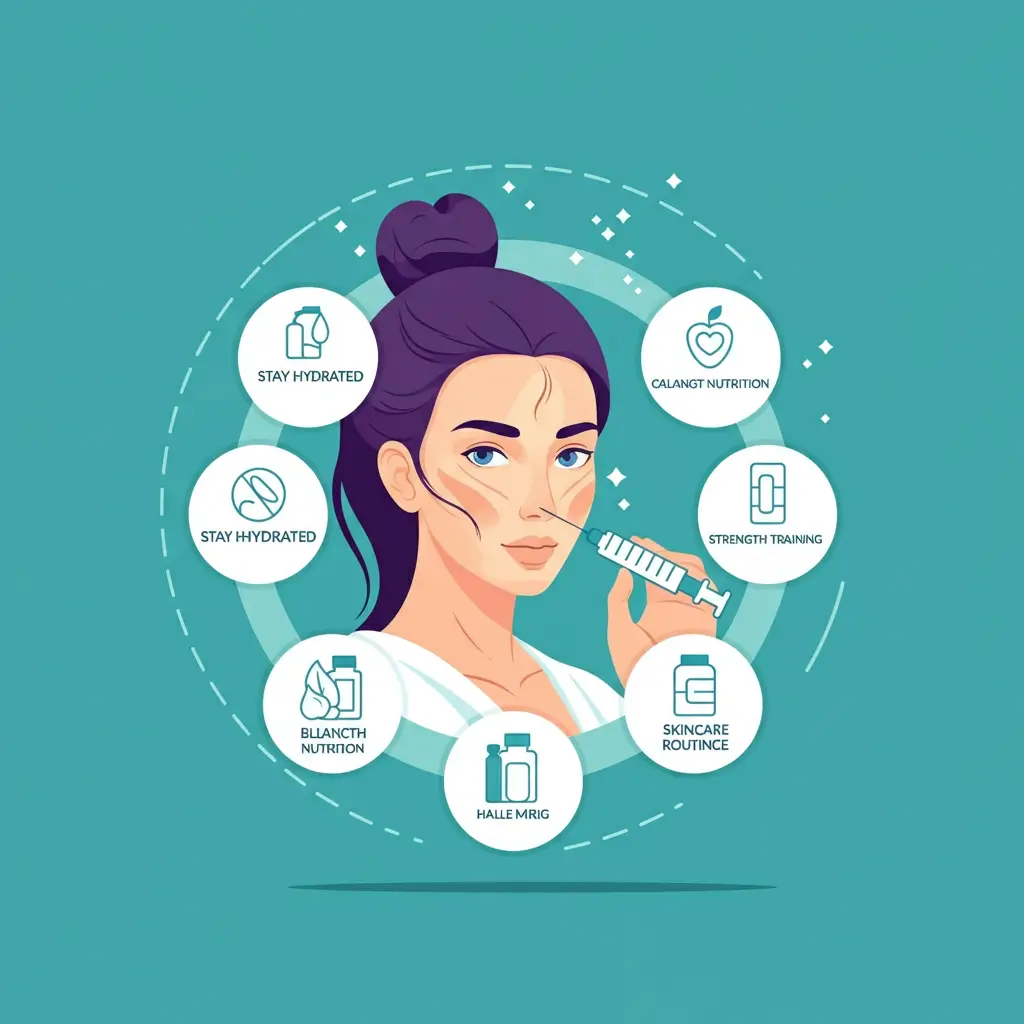
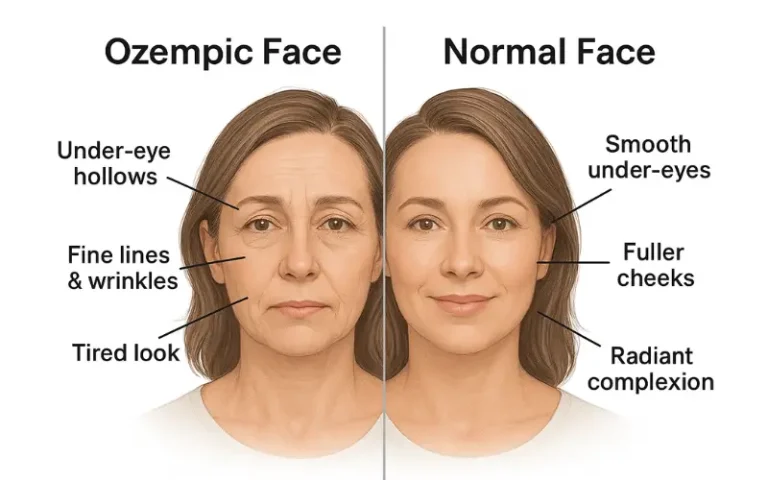
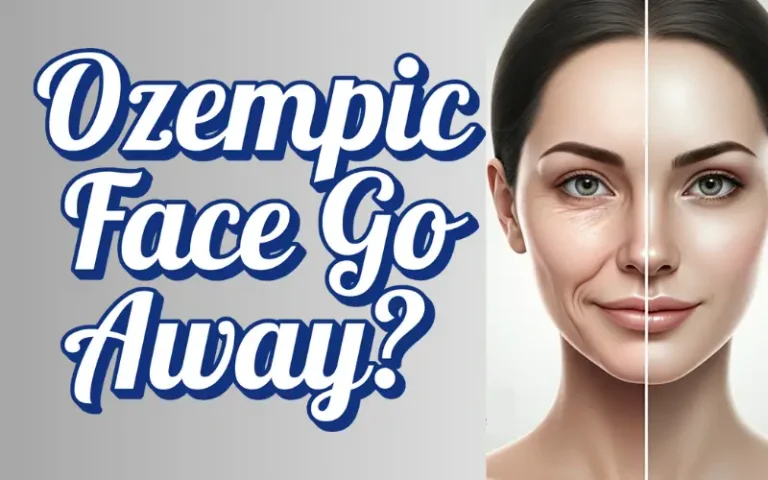
” Ozempic face” isn’t a medical diagnosis or a direct side effect of the medication itself. Instead, it describes the facial changes that result from significant and rapid weight loss. This can happen with any method of fast weight loss, including bariatric surgery or other GLP-1 medications, not just Ozempic.
What does it look like? Common characteristics include:
- A hollowed-out or gaunt appearance
- Sunken eyes or dark circles
- Increased lines and wrinkles
- Sagging skin, particularly around the cheeks and jawline (jowls).
Losing a large amount of weight quickly can cause you to lose facial fat, which provides volume and support to your skin. When this fat disappears, the skin can lose its plumpness and elasticity, leading to a more aged appearance.
Why Does Rapid Weight Loss Affect the Face?
Your face has subcutaneous fat pads that cushion the skin and contribute to a youthful, full look. When you lose weight, you lose fat from all over your body, including your face. Rapid weight loss gives your skin less time to adjust to this volume loss.
Two vital proteins, collagen and elastin, give your skin structure and stretchiness. The faster you lose weight, the greater the strain on these proteins, which can lead to reduced skin elasticity. This effect is often more noticeable in older individuals , as our skin naturally produces less collagen and elastin as we age.
Aim for Gradual, Steady Weight Loss
The most effective strategy for preventing Ozempic face is to lose weight at a slow and steady pace. Rapid weight loss is the primary culprit behind sagging skin. Health experts generally recommend a target of 1-2 pounds per week.
Work with your healthcare provider to find the right dosage and plan for you. They can help you create a sustainable weight loss journey that minimizes drastic facial changes. Remember, the goal is long-term health, not just a number on the scale.
Prioritize Protein in Your Diet
What you eat plays a huge role in your skin’s health. Protein is the building block for your body’s tissues, including skin and muscle. Consuming enough protein is crucial for maintaining muscle mass as you lose fat, which helps prevent a “gaunt” look. It also supports the production of collagen and elastin.
Actionable Tips:
- Aim for 20-30 grams of protein with each meal.
- Incorporate lean protein sources like chicken, fish, tofu, beans, lentils, and eggs.
- If you struggle with appetite due to the medication, consider protein shakes or smoothies.
Stay Hydrated for Plump, Elastic Skin
Dehydration can make fine lines and wrinkles appear more prominent. Drinking enough water is one of the simplest yet most effective Ozempic face solutions. Proper hydration helps keep your skin plump, elastic, and resilient.
How much water is enough? Aim for at least 8 glasses (about 2 liters) per day. If you are active or live in a warm climate, you may need more.
Pro-Tip: Don’t like plain water? Flavor it with lemon, cucumber, or mint. You can also eat water-rich foods like watermelon, strawberries, and cucumbers to boost your hydration.
Integrate Strength Training into Your Routine
While Ozempic helps with weight loss, combining it with exercise yields the best results for your overall body composition and appearance. Strength training is particularly important for preventing muscle loss.
Building or maintaining muscle while losing fat helps your body look toned rather than frail. This applies to your face as well; a healthy body composition supports better overall skin integrity. Aim for 2-3 strength training sessions per week, targeting all major muscle groups.
Adopt a Proactive Skincare Routine
A good skincare routine can significantly improve your skin’s texture and elasticity, helping to counteract the facial changes from weight loss.
Focus on products with ingredients known to boost collagen and hydrate the skin.
- Retinoids: These vitamin A derivatives are proven to stimulate collagen production and improve skin cell turnover.
- Hyaluronic Acid: This powerhouse humectant draws moisture into the skin, making it look fuller and more hydrated.
- Peptides: These amino acid chains signal your skin to produce more collagen.
- Sunscreen: Daily use of a broad-spectrum sunscreen (SPF 30 or higher) is non-negotiable. Sun damage breaks down collagen and accelerates aging, which will only worsen the appearance of the Ozempic face.
Consider Professional Treatments
If you are still concerned about sagging skin or volume loss, several cosmetic procedures can help. These treatments can be an effective part of your strategy for how to avoid Ozempic face while on Ozempic or to treat it if it has already occurred.
Some popular options include:
- Dermal Fillers: Injectable fillers made from hyaluronic acid can restore lost volume in the cheeks, temples, and under the eyes.
- Microneedling: This procedure creates tiny micro-injuries in the skin to stimulate natural collagen and elastin production.
- Radiofrequency (RF) Treatments: Devices like Morpheus8 or FaceTite use radiofrequency energy to heat the deeper layers of the skin, promoting tissue tightening and collagen remodeling.
It is always best to consult with a qualified dermatologist or cosmetic surgeon to discuss which options are right for you.
Conclusion: A Holistic Approach to a Healthier You
While the term “Ozempic face” might sound alarming, it is a manageable consequence of rapid weight loss, not a direct side effect of the medication. By focusing on gradual weight loss, a nutrient-rich diet, proper hydration, and a supportive skincare routine, you can achieve your health goals while maintaining a vibrant, healthy appearance.
Don’t let the fear of facial changes from weight loss deter you from a path to better health. A proactive and holistic approach is the best way to ensure you look and feel your best.
Have you experienced facial changes during your weight loss journey? Share your thoughts or questions in the comments below.